The institute for DiagNostic Accuracy (iDNA)
Our mission – Up to now, medical doctors have only been able, in most cases, to extend the lives of people diagnosed with lung cancer. This is because lung cancer is almost always diagnosed at a late stage where survival rates are very low: nine out of ten people diagnosed with a stage 4 lung cancer tumour will not be alive in five years. There have been big advancements in both medication and treatment in recent decades, but late stage diagnosis still means these advancements were mainly life-extending and not live-saving.
New opportunities
Now there is a chance for change. A new line of research brings real life-saving solutions within reach. After two decades of research, the NELSON Randomized Controlled Clinical Trial has shown that using a screening method based on Computed Tomography (CT) actually leads to reductions in mortality: 24% for men and up to 59% for women. CT is a medical imaging technology normally used in hospitals to diagnose patients who are presented with certain symptoms that provide a clear suspect in terms of disease. The NELSON study has shown that this technology can also be used as a preventive examination for the early detection of the disease, even though a patient may have no specific complaints. In this way, medical doctors can spot a tumour in an early stage when treatment can really save lives. When caught early, the stats actually reverse: nine out of ten people diagnosed will be alive after five years.
Just imagine what this innovative research could mean in practice. With 338,000 annual deaths in Europe alone, more than 81,000 lives could be saved yearly, which would make lung cancer screening the single most effective healthcare innovation in this area. Now is the time to bring this research into practice and to ensure that it is accessible to those who benefit. This is the mission of the institute for DiagNostic Accuracy (iDNA). We are determined to make it happen.
OUR TEAM
oudkerk@i-dna.org
+31 (0)50 211 03 48
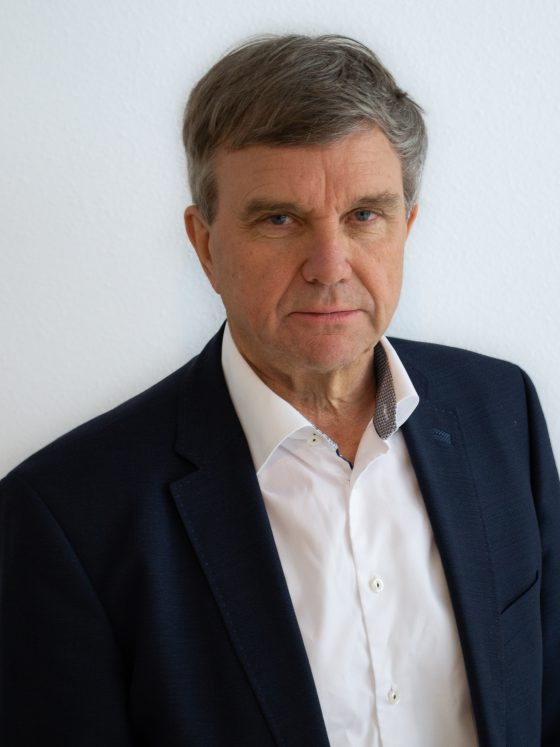
Prof. M. Oudkerk, MD, PhD
Prof. Oudkerk is responsible for the Research & Development of iDNA.
He is professor of Radiology at the University of Groningen, Chief Scientific Officer of the Institute for Diagnostic Accuracy- iDNA (formerly of the Center of Medical Imaging NORTH EAST NETHERLANDS , NWO research Center of Exellence) and the principal investigator for Radiology of the NELSON lung cancer detection study, the Robinsca cardiovascular screening study and the 4Lungrun Horizon 2020 study. Founder and past president of the European Society of Cardiac Radiology and former Chairman of Radiology departments of DDHK Erasmus MC Rotterdam and University Medical Center Groningen. Prof. Oudkerk has a broad insight into new imaging modalities, algorithms and strategies. He is ranked as one the most influential researchers in Radiology in Europe (2019). For his research work he received prestigious grants such as EU Horizon 2020, ERC advanced grant, Royal Academy of Sciences of the Netherlands (KNAW), Ministry of Science and Technology of China (MOST), NWO, KWF, NKB grants etc.
He is lead investigator of the NELSON lung cancer detection study, the ROBINSCA study for coronary disease detection, NELCIN B3 study in China focusing on lung cancer , coronary artery disease and pulmonary disease in one imaging test. Prof. Oudkerk was invited as a member of the medical advisory board of Siemens AG Germany for development of the first continuous rotating spiral CT and has been part of this board until the development of the current volume multi-detector CT scanners pushing forward the need for higher temporal resolutions in CT scanning comparable with EBT. With his research team he initiated the field of CT coronary imaging; Prof. Oudkerk is inspiring many (inter-)national students to start their PhD research in his Institute, resulting in several PhD defenses per year.
Prof Oudkerk published more than 555 peer reviewed articles, is cited over 20,000 times with an H-index >74 (Scopus). Key publications in NEJM, Lancet, Thorax, Circulation, JACC, Eur Heart, Radiology, Lancet Oncology, etc. For more information see: ORCID
Erik Jippes, PhD, MBA
jippes@i-dna.org
+31 (0)6 21 55 19 99
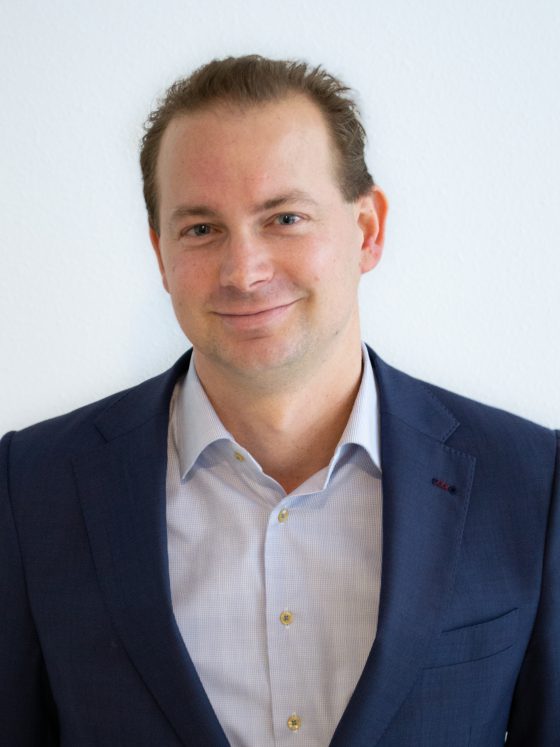
Erik Jippes, PhD, MBA
Erik Jippes is responsible for the day-to-day operation of iDNA.
Erik’s background working in a medical academic environment, and with medical imaging in particular, enables him to understand and act on the complexities in hospital environments. This is of great importance for implementing lung cancer screening programmes.
Erik has a Master of Business Administration and holds a PhD in social networks and innovation processes in healthcare. He worked for more than 14 years at a University Medical Center and was responsible for several large public–private partnerships, pre- and post-award project management for funding support (H2020, national and regional grants), and charity fundraising.
He was manager of several large-scale population-based early detection and screening trials in lung cancer and cardiovascular diseases.
In his spare time Erik likes to travel with his wife and three children, and he loves to play beach volleyball.
Kees Hörchner, MSc
horchner@i-dna.org
+31 (0)6 22 69 83 42
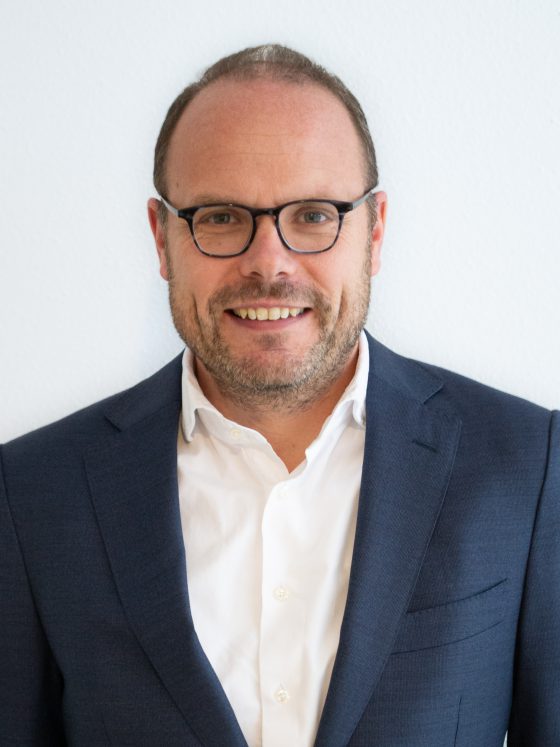
Kees Hörchner, MSc
Kees Hörchner is a financial advisor with extensive experience in the private financing of complex projects including healthcare, education, infrastructure, and real estate.
He has extensive work experience in over 40 countries, mainly in the EMEA region.
His specialties are within public–private partnerships, project finance, and hospital financing.
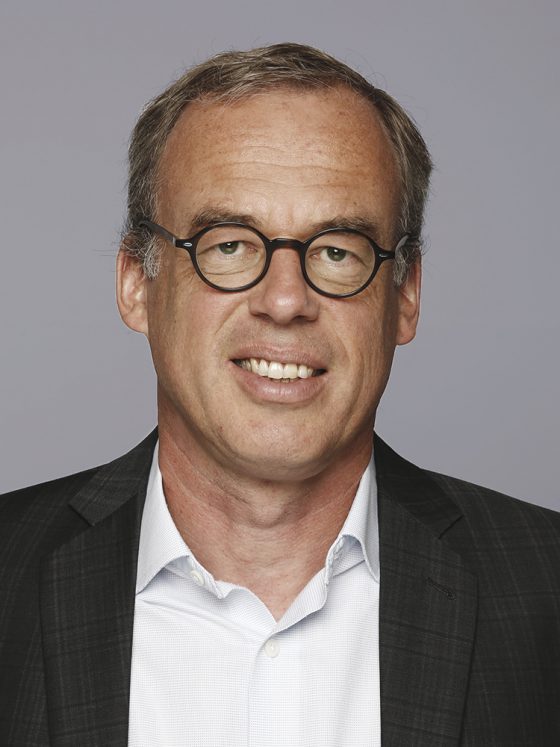
Barend van Lieshout, MSc
vanlieshout@i-dna.org
+31 (0)6 53 8558 86
Barend van Lieshout, MSc
Barend van Lieshout works on healthcare projects that involve business cases, investment decisions and the financing of healthcare institutions. He analyses projections regarding the financial future and provides management advice. All his projects start with a strategic and a market analysis.
Barend tends to dig deeper into the financial condition of the organization to ensure that the best approach is effectively implemented. Basically, it’s getting results making Barend very happy.